
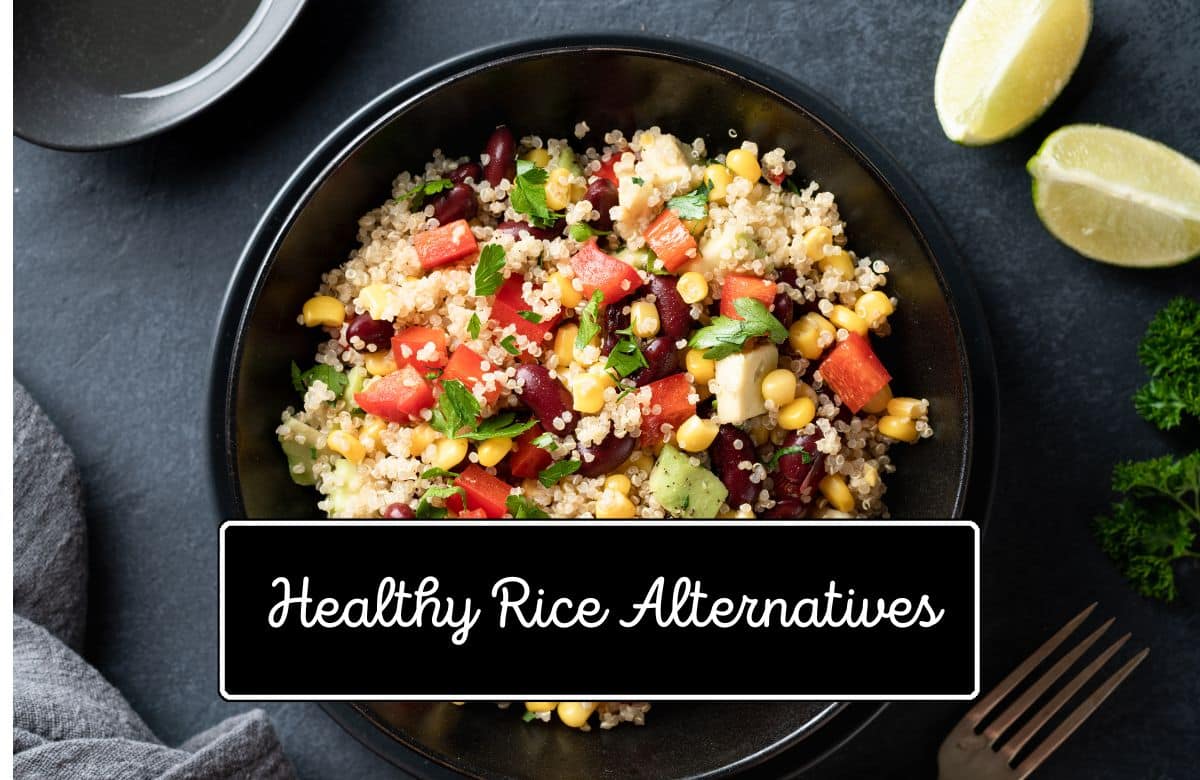
Healthy Rice and Pasta Alternatives According to a Dietitian
Rice and pasta are staples in many kitchens. But when you need more protein and fiber, swapping some of those simple carbs for other options can make a real difference.
I use these swaps a lot with my clients on GLP-1 medications. When your appetite is smaller, choosing foods with more nutrition in every bite helps you meet your protein and fiber goals. The same is true at other times of life, like the transition to menopause, when protein helps protect your muscle and fiber helps keep your blood sugar steadier.
Not every swap on this list is high in both protein and fiber. Some bring more protein, some more fiber, and some are simply a way to eat fewer carbs. Overall, mixing them into your meals will help you get more out of what you eat.
| Calories | Protein (g) | Carbs (g) | Fiber (g) | |
| White rice (for comparison) | 205 | 4 | 45 | less than 1 |
| Regular pasta (for comparison) | 196 | 7 | 38 | 2 |
| Quinoa | 222 | 8 | 39 | 5 |
| Millet | 207 | 6 | 41 | 2 |
| Barley (pearled) | 193 | 4 | 44 | 6 |
| Buckwheat | 155 | 6 | 33 | 5 |
| Bulgur | 151 | 6 | 34 | 8 |
| Spelt | 46 | 11 | 51 | 8 |
| Teff | 255 | 10 | 50 | 7 |
| Cauliflower rice* | 27 | 2 | 5 | 2 |
| Broccoli rice* | 31 | 3 | 6 | 2 |
| Riced cabbage* | 18 | 1 | 4 | 2 |
| Zucchini noodles | 21 | 2 | 4 | 1 |
| Spaghetti squash | 42 | 1 | 10 | 2 |
*Raw. Values change a little once cooked.
| Brand products (per label serving) | Calories | Protein (g) | Carbs (g) | Fiber (g) |
| Chickpea pasta, 2 oz dry (about 1 cup cooked) | 190 | 12 to 13 | 32 to 34 | 5 to 8 |
| Red lentil pasta, 2 oz dry (about 1 cup cooked) | 180-190 | 13 to 14 | 34 | 6 |
| Shirataki rice or noodles, 4 oz | 10 | 0 | 3 | 3 |
| Kelp noodles, ½ cup | 6 | 0 | 3 | 1 |
Brands vary, so check the label.
Rice Alternatives
Whole Grain Alternatives
Quinoa
A seed that cooks and eats like a grain, and one of the easiest swaps for rice.
Nutrition: About 8 grams of protein and 5 grams of fiber per cup, about twice the protein of white rice. It’s also a complete plant protein, with all nine essential amino acids.
Taste: Mild and nutty, a little chewier than rice and closer to brown rice than white.
Cooking: Rinse it first to remove its natural bitter coating. Use 2 parts water to 1 part quinoa and simmer for about 15 minutes.
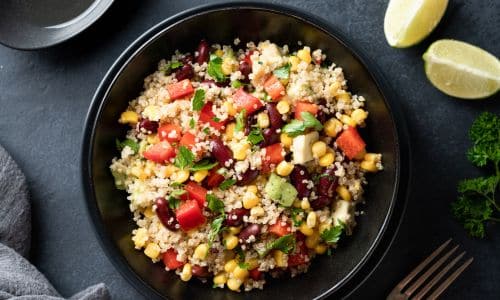
Try this quinoa fried rice. The name is a little confusing, but it’s tasty and offers quinoa cooking tips.
Millet
A small, mild grain that works in place of rice or couscous.
Nutrition: About 6 grams of protein and 2 grams of fiber per cup, with magnesium and phosphorus.
Taste: Mild and slightly nutty, so it goes with almost any dish.
Cooking: Use 1 cup of millet to 2 cups of water or broth and simmer for 20 to 25 minutes. Let it rest a few minutes, then fluff with a fork.
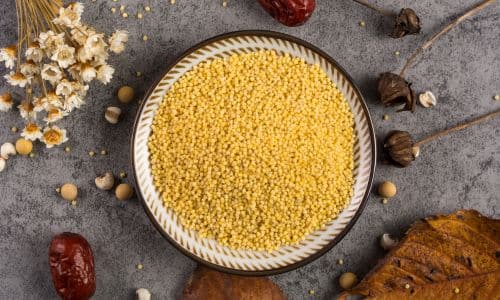
If you’re interested in experimenting with millet, try this flavorful lemony herbed millet.
Barley
A chewy grain that works in soups, salads, risotto, and stir-fries.
Nutrition: About 6 grams of fiber per cup, one of the highest on this list. It has a low glycemic index, so it raises blood sugar more slowly than white rice.
Taste: Mild and nutty, with a pleasant chewy texture.
Cooking: Use 1 cup of barley to 3 cups of water or broth. Bring to a boil, then simmer for about 45 minutes to an hour.
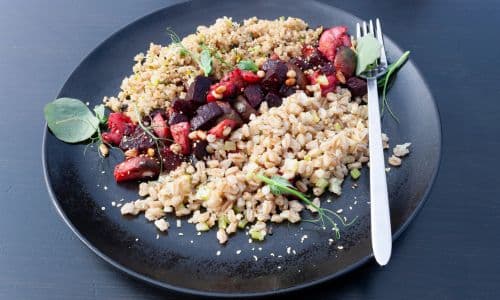
Here are 24 barley recipes to cook and enjoy!
Buckwheat
Despite the name, buckwheat isn’t wheat. It’s a grain-like seed often sold as groats or kasha.
Nutrition: About 6 grams of protein and 5 grams of fiber per cup, with magnesium and copper.
Taste: Earthy and slightly sweet. Cooked buckwheat is soft and tender; toast it first for more crunch and a nuttier flavor.
Cooking: Rinse well. Use 1 cup buckwheat to 2 cups water or broth, simmer for 10 to 15 minutes, then fluff with a fork.
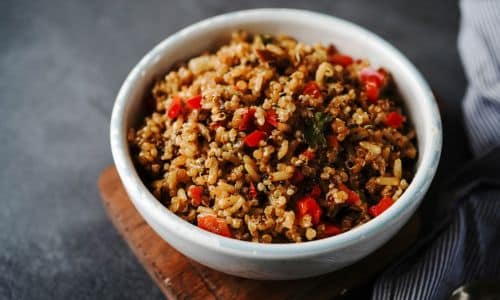
Love eating stir-fry with rice? Try this recipe using buckwheat stir-fry with vegetables.
Bulgur
Cracked whole wheat that cooks quickly, the grain in tabbouleh.
Nutrition: About 8 grams of fiber per cup, the most of any grain here, plus 6 grams of protein, with fewer calories than rice.
Taste: Nutty and light, with a slightly chewy texture.
Cooking: Use 1 cup of bulgur to 2 cups of water or broth. Bring to a boil, cover, and simmer for about 15 minutes, then let it sit covered for 5 to 10 minutes before fluffing.
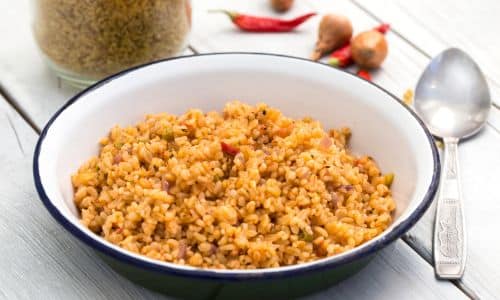
Love black beans and rice? Try this Mexican black bean and bulgur bowl.
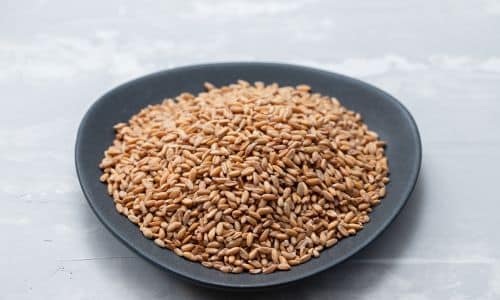
Spelt
An ancient grain with a hearty, chewy bite.
\Nutrition: About 11 grams of protein and 8 grams of fiber per cup, among the highest on this list. It also has more calories and carbs than rice, so keep the portion in mind.
Taste: Mildly nutty and chewier than rice.
Cooking: Use 1 cup of spelled to 2 1/2 cups of water or broth. Simmer, covered, until the water is absorbed, usually about an hour.
Teff
A tiny grain that’s a staple in Ethiopia, where it’s used to make injera.
Nutrition: About 10 grams of protein and 7 grams of fiber per cup, plus iron and calcium. Like spelt, it’s higher in calories and carbs than rice.
Taste: Nutty and slightly sweet, often compared to hazelnut.
Cooking: Use 1 part teff to 3 parts water. It cooks like rice, in about 15 to 20 minutes.
Vegetable-Based Rice Alternatives
Cauliflower Rice
Grated cauliflower that stands in for rice in stir-fries, bowls, and fried rice.
Nutrition: About 27 calories and 5 grams of carbs per cup, compared with 205 calories and 45 grams for white rice, plus 2 grams of fiber.
Taste: Mild, with a light cruciferous flavor. It takes on whatever you season it with.
Cooking: Buy it fresh or frozen, or pulse florets in a food processor. Sauté in a little olive oil for 5 to 10 minutes. Cook it a little longer for a softer texture.
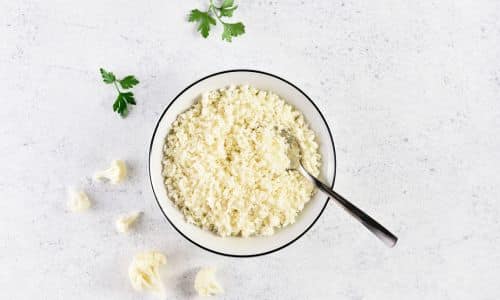
Here are seven cauliflower rice recipes to spice up your plate without the extra carbs and calories!
Broccoli Rice
A good change of pace when you’re tired of cauliflower rice.
Nutrition: About 31 calories, 3 grams of protein, and 2 grams of fiber per cup.
Taste: Milder than broccoli florets, so it blends easily into other dishes.
Cooking: Buy it frozen or fresh, or pulse florets in a food processor. Sauté in a little oil for 5 to 7 minutes.
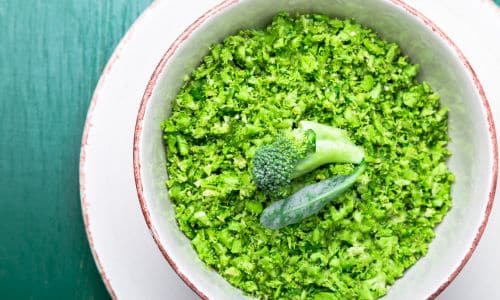
Here is an easy broccoli rice recipe that you can make and incorporate into your favorite tacos, stir-fries and more!
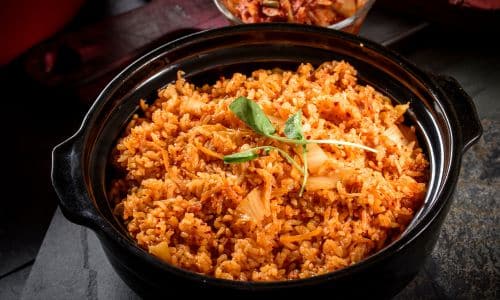
Riced Cabbage
Finely chopped cabbage that cooks like cauliflower rice.
Nutrition: About 18 calories and 2 grams of fiber per cup, with vitamin C and vitamin K.
Taste: Mild, with a little crunch.
Cooking: Sauté in a pan with a little oil for a few minutes, until it’s as soft as you like.
Other Rice Alternatives
Shirataki Rice
Rice-shaped pieces made from the konjac root.
Nutrition: Almost no calories or carbs, and mostly soluble fiber, which helps you feel full.
Taste: Neutral, with a slightly chewy, gelatin-like texture.
Cooking: Rinse well to remove its smell, then heat in a dry pan for a few minutes before adding seasoning.
Here is a shirataki rice recipe.
Pasta Alternatives
Bean-Based Pasta Alternatives
Chickpea Pasta
Pasta made from chickpea flour, in all the familiar shapes.
Nutrition: About 12 to 13 grams of protein per serving, nearly twice regular pasta, with 5 to 8 grams of fiber depending on the brand. It isn’t low-carb, but it’s more filling.
Taste: Close to regular pasta, with a light nutty flavor.
Cooking: Boil like regular pasta, and don’t overcook it, since it softens quickly.
Lentil Pasta
Pasta made from red or green lentil flour.
Nutrition: About 13 to 14 grams of protein and 6 grams of fiber per serving.
Taste: Mild and slightly earthy. Red lentil pasta is the mildest
Cooking: Boil like regular pasta, and rinse after cooking if it gets foamy.
Vegetable-Based Pasta Alternatives
Zucchini Noodles (Zoodles)
Spiralized zucchini that looks similar to spaghetti.
Nutrition: About 21 calories and 4 grams of carbs per cup.
Taste: Mild and fresh, so it takes on the flavor of your sauce.
Cooking: Sauté for 2 to 3 minutes or eat raw.
Cook briefly so they don’t get watery. Pre-spiralized zoodles save time.
Spaghetti Squash
A winter squash whose inside pulls apart into spaghetti-like strands.
Nutrition: About 42 calories and 10 grams of carbs per cup, with 2 grams of fiber.
Taste: Mild and slightly sweet, with a tender, stringy texture.
Cooking: Cut in half, scoop out the seeds, and roast cut side down at 400 degrees F for 35 to 45 minutes. Scrape the strands out with a fork.
Other Pasta Alternatives
Shirataki Noodles
Noodles made from the konjac root.
Nutrition: About 10 calories and 3 grams of carbs per 4 ounces, mostly soluble fiber.
Taste: Neutral, with a chewy, slippery texture.
Cooking: Rinse well to get rid of their smell, then heat in a dry pan for a few minutes before adding sauce.
Kelp Noodles
Clear noodles made from seaweed.
Nutrition: Very low in calories, with minerals like calcium and iodine.
Taste: Neutral and crunchy, even after cooking.
Cooking: Rinse and add to salads or stir-fries. Soak in warm water with a little lemon juice to soften them.
The Bottom Line
Swapping rice and pasta doesn’t mean giving up the meals you love. Try one new swap this week, keep it to about a quarter of your plate, and pair it with a protein.
I have added many of these items to my meal rotation, but not all. Chickpea pasta, spaghetti squash, cauliflower rice, and shirataki noodles have become staples at my home.

Dr. Su-Nui Escobar, a Registered Dietitian/Nutritionist in Miami, FL, is dedicated to empowering women in perimenopause and menopause to live healthier, more satisfying lives.
With a doctorate in clinical nutrition from the University of North Florida, she has expertise in menopause and weight loss, including the unique challenges faced by those on weight loss medications.
Su-Nui’s passion for her field is evident in her previous role as the Academy of Nutrition and Dietetics spokesperson.