

Does Lack of Sleep Cause Weight Gain?
Sleep does a lot more than help you feel rested. It also affects the hormones that control hunger, fullness, and blood sugar, and how your brain makes decisions about food. That’s why poor sleep can lead to weight gain.
If you’re in perimenopause or menopause, this can hit even harder. Hot flashes and night sweats already make it hard to get a full night’s sleep, and as you’ll see below, that lost sleep sets off the exact hormone cascade that makes weight loss harder.
How Sleep Can Contribute to Weight Gain
Increased Hunger
Not getting enough rest changes the normal function of the hormones that regulate your appetite. It increases the production of ghrelin, a hormone that makes you feel hungry. With increased levels of ghrelin, you will be more prone to overeat, leading to weight gain.
You Don’t Feel Full
On the other hand, sleep deprivation reduces the levels of leptin, a hormone responsible for signaling fullness. This means that even if you have eaten enough, your body may not receive the signal to stop, leading to overeating and weight gain.
Increased Cravings
Lack of sleep also affects the brain’s reward system, making unhealthy food choices more appealing.
This can increase cravings for high-calorie, unhealthy foods, potentially leading to weight gain.
Put it all together: you’re hungrier, you don’t feel full when you should, and the cookies in the pantry suddenly look a lot more tempting. That’s frustrating, especially when you’re trying so hard to eat well. Willpower has very little to do with it. After a rough night, your hormones are pushing you toward more food, and the next day can feel like an uphill battle.
Sleep and Insulin Resistance
Insulin is the hormone that enables cells to take glucose from food (aka energy from carbohydrates) so that every body part can operate at its most efficient and effective.
Your body makes more insulin to make up for it. Over time, that makes blood sugar harder to manage and weight harder to lose. Insulin resistance also becomes more common in menopause, so poor sleep adds to a problem many women already have.
Sleep and Stress
Research has shown that stress increases when you are sleep-deprived because the body produces more cortisol and adrenaline to compensate.
High stress levels can lead to overeating, often resulting in choices that are high in calories.
Another way lack of rest affects our stress levels is by impairing the brain’s ability to regulate emotions. This leads to mood swings, irritability, and difficulty in managing stress, creating a vicious cycle in which lack of sleep causes stress, and increased stress leads to lack of sleep.
Lack of Motivation to Exercise
When you don’t sleep well, you may experience a decline in energy and motivation, including your desire to exercise. Getting enough sleep is crucial for restoring the body and mind. Without sufficient rest, you may feel lethargic, fatigued, and less inclined to engage in physical activity.
How Much Sleep Do You Really Need?
The Sleep Foundation’s guidelines recommend that adults ages 26 to 64 sleep 7 to 9 hours each night.
However, the exact number of hours you need to get enough rest to start a new day full of energy varies from person to person. Moreover, the quality of sleep you get and the timing also determine how rested you feel.
Tips to Improve Sleep
The good news: a few simple habits can make a real difference.
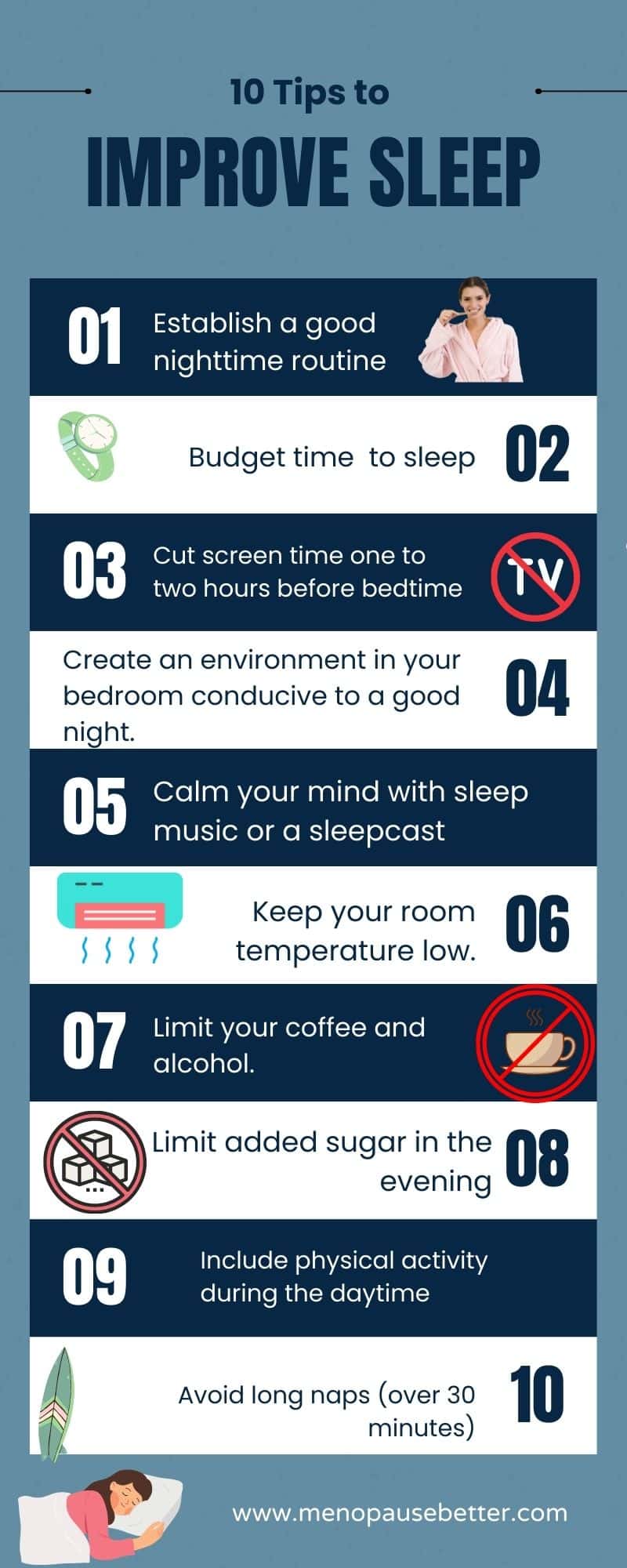
- Establish a good nighttime routine.
- Budget time for it and avoid sleep procrastination.
- Cut screen time one to two hours before bedtime so your melatonin production can begin at the appropriate time.
- Create an environment in your bedroom conducive to a good night’s sleep.
- Calm your mind with appropriate music or a sleep cast.
- Keep your room temperature low.
- Get physical activity during the day, as it can promote a more restful night.
- Avoid long naps (over 30 minutes)
What to Eat and Drink for Better Sleep
What you eat and drink during the day can make it easier, or harder, to sleep well at night.
- Watch your caffeine. Caffeine can stay in your system for many hours, so an afternoon coffee can still keep you up at night. If sleep is a struggle, keep coffee to one or two cups early in the morning, or try going without for two weeks and see how you feel.
- Go easy on alcohol. A glass of wine might help you fall asleep, but it makes your sleep lighter and more broken. It can also make hot flashes and night sweats worse.
- Cut back on added sugar, especially in the evening and in drinks that have both sugar and caffeine, like soda and energy drinks.
- Keep dinner moderate and a little earlier. A big, heavy dinner takes longer to digest, which can make it harder to fall asleep. Try to finish eating about two hours before bed. A protein snack in the afternoon, like Greek yogurt with berries or a handful of almonds, helps you avoid arriving at dinner starving.
- If you need a bedtime snack, keep it small. Pair a little carb with protein or fat, like half an apple with peanut butter. Skip anything sugary or with caffeine.
- Some foods may help a little. Kiwi, tart cherry juice, milk, almonds, walnuts, and chamomile tea are popular choices for a calmer evening.
- Drink enough water during the day, and less at night. Staying hydrated helps you avoid waking up thirsty, and slowing down in the evening means fewer bathroom trips. If night sweats wake you up, keep a glass of ice water by your bed.
The Sleep Foundation has excellent resources to help you sleep better. Specifically for menopause, I recommend this resource from the same organization.
The Bottom Line
Sleep is one of the most overlooked parts of weight loss, and in menopause it’s often the hardest part to get right. If you’re doing everything else and the scale won’t move, look at your sleep. Small changes, done consistently, add up.
Sweet dreams!

Dr. Su-Nui Escobar, a Registered Dietitian/Nutritionist in Miami, FL, is dedicated to empowering women in perimenopause and menopause to live healthier, more satisfying lives.
With a doctorate in clinical nutrition from the University of North Florida, she has expertise in menopause and weight loss, including the unique challenges faced by those on weight loss medications.
Su-Nui’s passion for her field is evident in her previous role as the Academy of Nutrition and Dietetics spokesperson.