
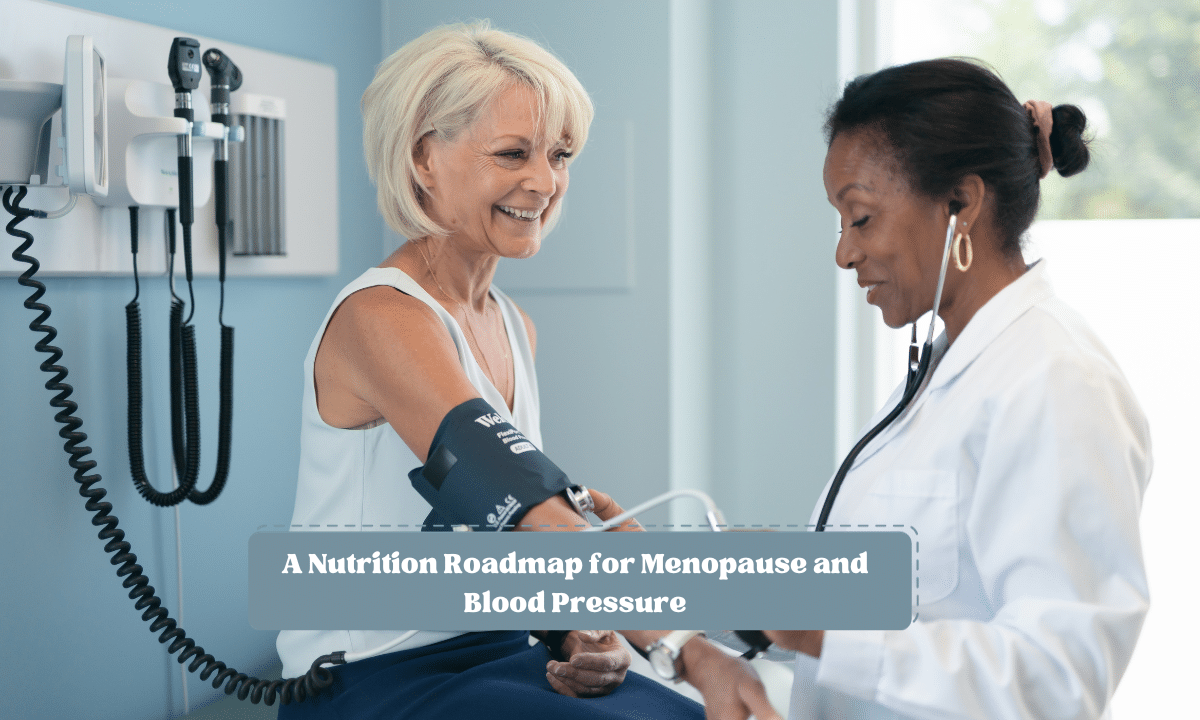
High blood pressure is more common than we realize. This is especially true for women during menopause. Many changes that happen during this time, such as increased stress hormones, weight gain, and hormone fluctuations, can cause a rise in blood pressure.
Nutrition and lifestyle are the first steps to improve high blood pressure. Of course, your doctor can help you decide if you need medication in addition to lifestyle changes.
The Causes of Menopause and High Blood Pressure
Lower Estrogen
During menopause, estrogen drops. Estrogen helps keep blood vessels relaxed, so when levels fall, blood pressure can go up.
Age-Related Changes
As you age, your blood vessel walls become less elastic, which can contribute to high blood pressure. In general, the risk of elevated blood pressure increases after age 40. Approximately 30 to 50% of women develop hypertension before age 60.
Lifestyle Factors
Menopause often coincides with other lifestyle changes, such as increased stress, poor diet, and less physical activity. These factors can all contribute to the development of high blood pressure.
Nutrition to Prevent and Treat High Blood Pressure
A balanced, nutritious diet is crucial for managing high blood pressure. Here are some dietary recommendations to follow:
Reduce Sodium Intake
Excessive salt consumption contributes to hypertension. Limit your sodium intake to no more than 2,300 milligrams per day.
Increase Potassium Intake
Potassium helps counteract sodium and regulate blood pressure. Adding fresh fruits and vegetables to your diet provides potassium. Other sources of potassium include beans and legumes, dairy products, nuts, and seeds.]
If you have kidney disease or take certain blood pressure medications, check with your doctor before adding more potassium.
Emphasize Fruits and Vegetables
These powerhouses of vitamins, minerals, and antioxidants support overall cardiovascular health. Aim for at least five servings a day.
Tips to eat more fruits and veggies
Opt for Whole Grains
Whole grains, such as brown rice, whole-wheat bread, and quinoa, are high in fiber and can help lower blood pressure.
Limit Caffeine Intake
While the evidence is inconclusive, excessive caffeine intake may temporarily raise blood pressure. If you’re sensitive to caffeine, consider reducing your consumption of coffee, tea, energy drinks, and other caffeinated beverages.
Moderate Alcohol Consumption
Excessive alcohol intake can raise blood pressure. If you choose to drink, do so in moderation—no more than one drink per day for women and two for men.
Best Eating Patterns for High Blood Pressure
Some diets can be especially beneficial for high blood pressure: the Mediterranean diet, the DASH diet, and the MIND diet.
Maintain a Healthy Weight
Excess body weight strains your heart and blood vessels, increasing the risk of high blood pressure.
Doctors often recommend weight loss as part of treating high blood pressure. But obesity is a chronic disease with many causes, so hearing “just lose weight” can feel defeating. If you’ve felt that way, you’re not alone. It’s harder in menopause, and it isn’t a matter of willpower.
Read Why Do You Gain Weight During Menopause? for what helps. Even a modest weight loss can help lower your blood pressure.
If you’d like support along the way, I’d love to work with you. Learn more about my 1:1 nutrition consults.
Other Lifestyle Habits
Stay Physically Active
Regular physical activity is a key component of hypertension management.
Brisk walking, jogging, swimming, cycling, or dancing can help control blood pressure, strengthen your heart, and improve overall cardiovascular health.
Add strength training 2 to 3 days a week to protect your muscle.
Manage Stress
Chronic stress can contribute to high blood pressure.
Stress management techniques such as deep breathing exercises, meditation, yoga, and regular relaxation can help reduce stress levels and support healthier blood pressure.
The Bottom Line
High blood pressure is common, but common does not mean it should be ignored. It is often called the silent killer because it often causes no symptoms while it damages your heart, your blood vessels, and your whole body over time.
The good news: the same steps that help control your blood pressure- eating well, moving your body, managing stress- also help with your weight and your mental health. You are not managing three separate problems. You are working on one thing that helps everywhere.
Start with one step this week, not all of them at once.
Dr. Su-Nui Escobar, DCN, RDN, FAND, is a Miami-based weight loss dietitian specializing in women in menopause who use GLP-1 medications. She holds a doctorate in clinical nutrition from the University of North Florida and is a national speaker, writer, and author of The GLP-1 Kitchen. She is a former spokesperson for the Academy of Nutrition and Dietetics.