
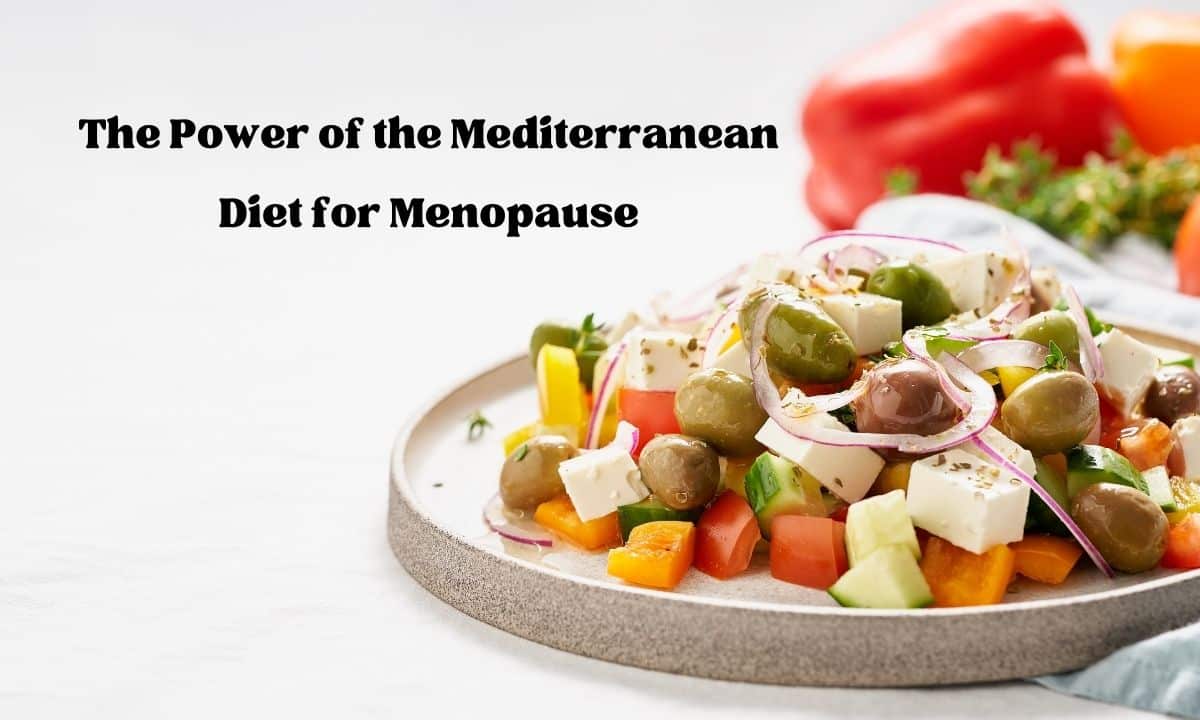
If you’ve been looking for a way of eating that helps with menopause, the Mediterranean diet is one of the best places to start. It’s one of the eating patterns with the most science behind it for women in menopause.
And honestly, it’s an oldie but goodie. It’s been around for many years, it’s delicious, and it doesn’t feel like you’re on a diet.
What is the Mediterranean Diet?
The Mediterranean diet is based on how people have traditionally eaten in countries like Greece, Italy, and Spain. It includes vegetables, fruit, whole grains, beans, nuts and seeds, olive oil, fish, and poultry, with herbs and spices for flavor.
It limits red meat, processed foods, refined grains, and added sugar.
Why I Like the Mediterranean Diet
Most of all, it doesn’t feel like a diet. It’s very inclusive, and the food is delicious. Think of a fresh Greek salad, grilled fish with lemon and herbs, or a warm bowl of lentil soup. These recipes are so good that people go to restaurants just to order them. Nobody looks at that plate and thinks, “this is diet food.” Instead of cutting out whole food groups, you focus on getting enough of the good stuff.
It promotes all the right things: plenty of fruits and vegetables, lean proteins, whole grains, and healthy fats. And it’s meant to be enjoyed, ideally with people you love.
How the Mediterranean Diet Helps in Menopause
It can help with several of the changes that come with menopause.
Hot Flashes and Night Sweats
In one large study, women who ate the most Mediterranean-style foods were about 20% less likely to have hot flashes and night sweats. Women who ate a lot of high-fat, high-sugar foods had more.

Weight Management

Menopause makes it easier to gain weight, especially around your middle. The Mediterranean diet fills your plate with vegetables, fruit, beans, and whole grains, so you feel full without overdoing it. For more, read my post on why you gain weight during menopause.
Cognitive Function
Many women notice brain fog in menopause. Eating this way may help protect your memory and thinking as you age. The MIND diet builds on the Mediterranean diet with brain health in mind.

Heart Health
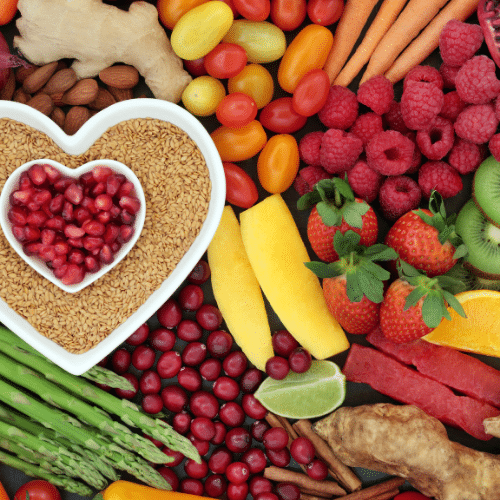
Your risk of heart disease goes up after menopause, and your “bad” LDL cholesterol often rises too. The Mediterranean diet is one of the best-known ways of eating for a healthy heart. Olive oil, nuts, fish, and fiber from oats and beans all help.
Inflammation
The Mediterranean diet is naturally anti-inflammatory. It’s full of olive oil, nuts, fish, fruit, and vegetables, and light on processed foods and added sugar. Read more about menopause and inflammation.
Small Tweaks for Menopause
The Mediterranean diet really covers all the points that women in menopause need. There are two small tweaks I recommend:
- Get enough protein at every meal. Protein helps you hold on to muscle, which you start losing in menopause. Aim for about 15 to 30 grams at breakfast and 30 to 40 grams at lunch and dinner. My high-protein foods list can help.
- Get enough fiber at every meal. Fiber keeps you full, helps your blood sugar, and is good for your heart and gut. Beans, oats, berries, vegetables, and whole grains are easy ways to add it. See my high-fiber foods list.
How to Follow the Mediterranean Diet
| Eat more of | Vegetables, fruit, whole grains, beans, nuts and seeds, olive oil, and fish |
| Eat less of | Poultry, eggs, cheese, yogurt, and red wine |
| Limit | Red meat, processed foods, sugary drinks, added sugar, refined grains, beer, and liquor |
Foods to Eat
- Vegetables: all of them, like tomatoes, spinach, kale, peppers, eggplant, zucchini, cucumbers, onions, artichokes, and mushrooms
- Fruit: all of it, like berries, oranges, grapes, figs, apples, pears, and melon
- Whole grains: oats, brown rice, barley, farro, bulgur, quinoa, whole wheat bread, and whole wheat pasta
- Healthy fats: extra virgin olive oil, olives, avocado, and avocado oil
- Nuts and seeds: almonds, walnuts, pistachios, chia seeds, flaxseeds, and tahini
- Fish and seafood: salmon, sardines, tuna, trout, mackerel, shrimp, mussels, and crab
- Poultry and eggs: chicken, turkey, and eggs
- Beans and lentils: chickpeas, lentils, white beans, black beans, and hummus
- Dairy: Greek yogurt, milk, feta, and other cheeses, or milk alternatives
- Herbs and spices: all of them, like garlic, oregano, basil, rosemary, parsley, mint, and cumin
Foods to Limit
- Red meat: beef, pork, and lamb
- Processed meats: sausages, hot dogs, bacon, salami, and deli meat
- Fast food and packaged snacks: chips, frozen meals, and snack cakes
- Refined grains: white bread, crackers, and sugary cereals
- Added sugar: candy, cookies, ice cream, syrup, and pastries
- Fried food: french fries, onion rings, and fried chicken
- Sweetened drinks: soda, energy drinks, sweet tea, and coffee drinks with added sugar
- Butter, lard, and margarine
- Alcohol: beer, liquor, and mixed drinks
My Expert Opinion
The Mediterranean diet is a way of eating I recommend to many of my patients. It’s one they can stick with, because the food is so good. Share your meals with friends and family, and take time to enjoy your food.
With a few small tweaks, like enough protein and fiber at each meal, it hits all the right points for women in menopause.
Dr. Su-Nui Escobar, DCN, RDN, FAND, is a Miami-based weight loss dietitian specializing in women in menopause who use GLP-1 medications. She holds a doctorate in clinical nutrition from the University of North Florida and is a national speaker, writer, and author of The GLP-1 Kitchen. She is a former spokesperson for the Academy of Nutrition and Dietetics.