

Supplements for Menopause Joint Pain
Supplements for menopause joint pain was written by Registered Dietitian Stephanie Maurici. Medically reviewed and edited by registered dietitian Dr. Su-Nui Escobar, RDN.
Menopause can be a challenging time for women, with joint pain being a common symptom. More than half of women have joint pain around the time of menopause.
Fortunately, supplements are available that can help alleviate this discomfort. In this article, we’ll explore the best supplements for menopause joint pain and how they work.
What is the Relationship Between Joint Pain and Menopause?
The decrease in estrogen levels that occurs during menopause can lead to inflammation and reduced lubrication in the joints, which can result in joint pain and stiffness.
Additionally, women may experience decreased bone density, which can further contribute to joint pain. However, supplements and lifestyle changes can help alleviate joint pain.
Your weight plays a part too. In a study that followed 438 women through the menopause transition, women with a higher BMI were more likely to report achy, stiff joints. Extra weight adds pressure to your knees and hips, which is why experts recommend losing weight as one step for joint pain in menopause. If the scale has been creeping up, read Why Do You Gain Weight During Menopause?
Joint Pain Symptoms
The intensity of joint pain differs between women and can be incredibly debilitating for some.
Symptoms of joint pain include:
- Pain when moving or bending the joint
- Decreased mobility
- Stiffness
- Swelling and inflammation
- Clicking noises when bending a joint
- Numbness
- Lingering aches and pains
- The site of the joint appears red and warm to the touch
Supplements for Menopause Joint Pain
If you seek a natural remedy to alleviate menopausal joint pain, consider taking supplements as an effective solution.
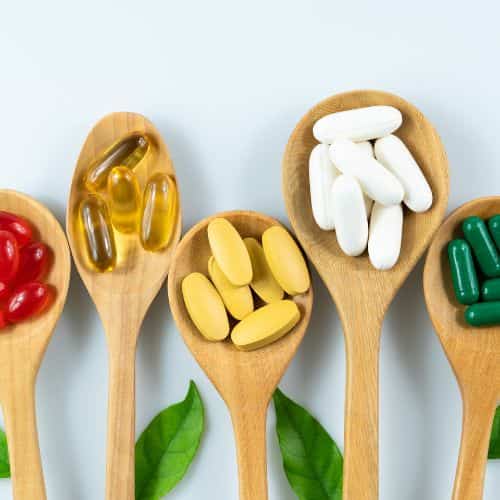
Magnesium
Magnesium is a nutrient that plays a vital role in keeping our bones and joints healthy.
Low levels of magnesium can lead to inflammation, which promotes joint pain.
Magnesium is essential for maintaining bone density and development. Research suggests that magnesium reduces the risk of arthritis and fractures.
Other benefits of magnesium include improving blood pressure and sugar, as well as promoting muscle and nerve health.
Magnesium can be found in foods such as beans, oats, spinach, nuts, avocado, and bananas.
Turmeric
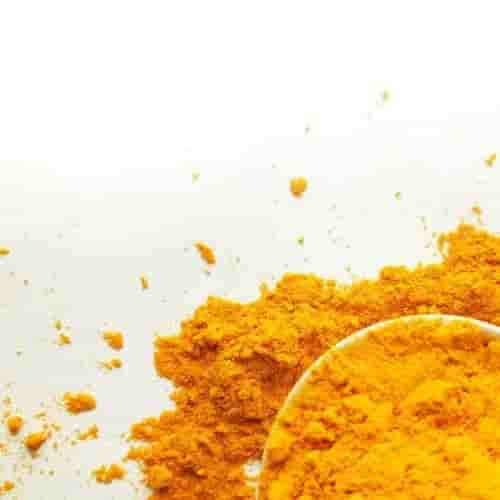
Turmeric is an anti-inflammatory herb that has had medicinal applications for thousands of years.
Curcumin is the main active ingredient in turmeric which provides anti-inflammatory properties.
Turmeric has been shown to help treat rheumatoid arthritis and osteoarthritis. It reduces joint swelling, pain, and stiffness.
Turmeric may ease other menopause symptoms.
Ginger
Ginger is another anti-inflammatory herb with promising applications in joint pain relief.
Studies show that ginger extract can reduce proinflammatory substances in the body. This, in turn, reduces joint inflammation.
Ginger can also help to ease the discomfort produced by joint pain.
Fish Oil
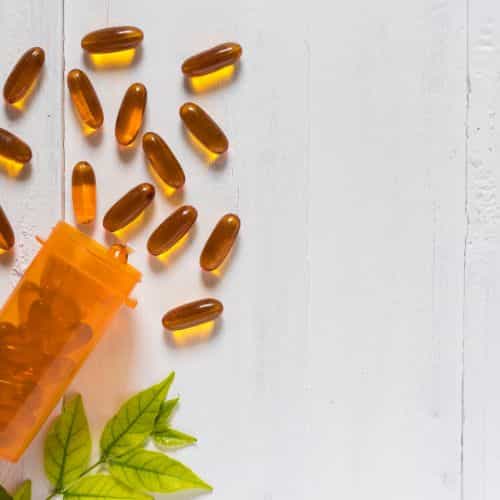
Fish oil is rich in omega-3 fatty acids, which have anti-inflammatory effects and can effectively reduce pain in the joints.
This oil keeps the joints healthy by protecting and supplementing joint tissue.
This supplement can help keep the joints and tissues lubricated, which minimizes pain and swelling.
Fish oil supplements may also help prevent heart disease and protect brain function.
Vitamin D
Low levels of vitamin D have been shown to contribute to joint pain.
Vitamin D strengthens and protects bone health. This nutrient is essential in preventing osteomalacia, softening of bones, and osteoporosis, the loss of bone mass.
Vitamin D can be obtained from salmon and fortified products such as orange juice, milk, and cereals. Additionally, sunlight exposure prompts your body to produce Vitamin D naturally.
Supplementation for joint health is beneficial for individuals with a known deficiency.
Hormone Therapy (Talk to Your Doctor)

As estrogen loss is the culprit of many menopause symptoms, such as joint pain, supplementation is a valuable option for pain relief.
Our joints contain estrogen receptors, which protect bones and joints as well as keep inflammation low.
Hormone replacement therapy may not be explicitly indicated for joint pain, but it may be indicated in combination with other recurring menopause symptoms.
Glucosamine
This supplement is a compound naturally produced by the body, yet supplementation can offer relief from joint pain.
Glucosamine is essential for maintaining cartilage health, which cushions our joints and helps prevent pain.
Supplementation may help some people with joint pain in treating arthritis and other inflammatory diseases. Glucosamine is a valuable option for those who are unable to take NSAIDs (Non-steroidal anti-inflammatory drugs).
What Else Can Help Relieve Menopause Joint Pain?
- Exercise regularly: Low-impact exercises like walking, swimming, and yoga can improve joint flexibility and reduce pain.
- Maintain a healthy weight: Being overweight puts extra pressure on the joints, which can exacerbate joint pain.
- Use heat and cold therapy: Applying heat or cold to the affected joints can help reduce inflammation and relieve pain.
- Practice good posture: Good posture can reduce stress on the joints and ease pain.
- Get enough sleep: Getting enough restful sleep can help reduce inflammation and improve overall joint health.
- Reduce stress: Stress can exacerbate inflammation and increase joint pain. Practicing relaxation techniques like deep breathing, meditation, and yoga can help reduce stress levels.
- Consider hormone replacement therapy: Hormone replacement therapy can help alleviate menopause symptoms, including joint pain, by replacing the hormones that are lost during menopause. However, talk to your doctor about the risks and benefits of this treatment option.
- Follow an anti-inflammatory diet: Certain foods can contribute to inflammation, while others can help reduce it. Incorporating anti-inflammatory foods like fruits, vegetables, whole grains, and healthy fats into your diet can help reduce joint pain.
When to See a Doctor
If joint pain starts to affect your daily life, talk to your doctor. They can find the cause and the right treatment. Call your doctor if:
- You have a fever that isn’t from a cold or the flu
- You lose 10 pounds or more without trying
- The pain lasts several days and makes it hard to move
- A joint looks red and feels warm to the touch
Bottom Line
In conclusion, joint pain is a common symptom experienced by women going through menopause due to the decrease in estrogen levels.
Fortunately, supplements are available that can help alleviate this discomfort and improve overall joint health. However, talk to your doctor before starting any new supplement regimen. Choose high-quality supplements from reputable sources to ensure safety and effectiveness.
By incorporating these supplements into your daily routine, you can reduce joint pain and stiffness.

Dr. Su-Nui Escobar, a Registered Dietitian/Nutritionist in Miami, FL, is dedicated to empowering women in perimenopause and menopause to live healthier, more satisfying lives.
With a doctorate in clinical nutrition from the University of North Florida, she has expertise in menopause and weight loss, including the unique challenges faced by those on weight loss medications.
Su-Nui’s passion for her field is evident in her previous role as the Academy of Nutrition and Dietetics spokesperson.