
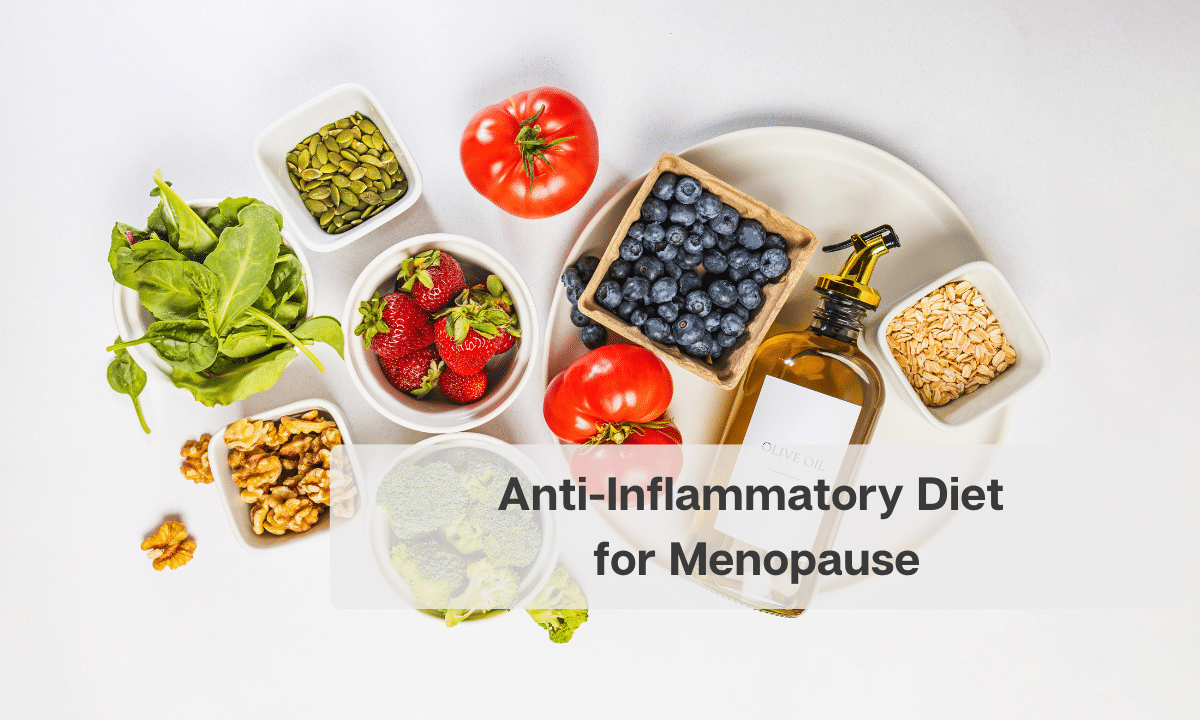
During menopause, low-grade inflammation tends to go up, and that can make weight loss harder. Food is one of the most practical tools you have to help. Here’s what to eat, what to limit, and why I don’t ask most women to cut out gluten or dairy.
Menopause and Inflammation
Research suggests that menopause is a pro-inflammatory state, meaning that women in this stage have increased levels of inflammation in their bodies. This is primarily due to a decrease in the hormone estrogen, which plays a key role in regulating the body’s inflammatory response.
These changes may contribute to weight gain and joint pain, and raise the risk of chronic disease. Recognizing the connection between menopause and inflammation is crucial to understanding the importance of following an anti-inflammatory diet during this life stage.
About the Diet
The anti-inflammatory diet for menopause focuses on consuming foods that naturally help fight this response while limiting or avoiding those that can trigger it. This type of diet typically includes a variety of whole, nutrient-dense foods like fruits, vegetables, whole grains, healthy fats, and lean proteins.
On the other hand, it limits highly processed foods, refined sugars, trans fats, and excessive amounts of saturated fat. These types of foods have been linked to increased inflammation in the body.
This isn’t about cutting out foods one by one. Researchers believe the whole eating pattern matters most. In one 6-month study, people who followed an anti-inflammatory diet with fewer calories lost weight and visceral fat and had lower inflammation markers. The research is still growing, and some of the benefit may come from the weight loss itself.
Benefits of an Anti-Inflammatory Diet
Eating this way has been linked to:
- Lower inflammation
- Better blood sugar
- Lower risk of Alzheimer’s disease
- Less joint pain
- Better energy and mood
- Easier weight management
- Lower risk of heart disease
- Lower risk of anxiety and depression
- Improvements in metabolic syndrome
Key Components of an Anti-Inflammatory Diet
The main ingredients of an anti-inflammatory diet are a variety of nutrient-rich foods packed with antioxidants and compounds that help combat inflammation and promote optimal health during menopause.
Foods to Eat
| Proteins | Chicken, turkey, eggs, white fish, fatty fish (salmon, sardines, herring, mackerel), Greek yogurt, cottage cheese, tofu, and tempeh |
| Legumes | All beans, chickpeas, green peas, lima beans, and lentils |
| Whole grains | Oats, barley, farro, buckwheat, millet, quinoa, brown and wild rice, whole-wheat bread and pasta, and sourdough bread |
| Deep yellow or orange vegetables | Carrots, butternut squash, orange and yellow bell peppers, and sweet potatoes |
| Cruciferous vegetables | Red and green cabbage, cauliflower, broccoli, and Brussels sprouts |
| Leafy green vegetables | Spinach, arugula, collard greens, kale |
| Other vegetables | Tomatoes, mushrooms, onions, asparagus, and garlic |
| Fruit | All berries, oranges, mandarins, grapefruit, peaches, plums, pomegranates, red grapes, and watermelon |
| Nuts and Seeds | Almonds, cashews, chia seeds, hazelnuts, hemp seeds, pecans, walnuts, and flaxseed |
| Healthy Fats | Olive oil, avocado oil, canola oil, walnut oil, flaxseed oil, avocados, olives, tahini, and nut butters |
| Fermented Foods | Yogurt, kefir, sauerkraut, kimchi, and miso |
| Herbs and Spices | Cinnamon, nutmeg, turmeric, ginger, garlic, cayenne, black pepper, basil, oregano, cumin, thyme, and clove |
| Drinks and Treats | Green tea, black tea, coffee, and dark chocolate |
Foods to Minimize
| Fast Foods | All types of fast food and takeout food |
| Processed Meats | Sausage, deli meats, hot dogs, and other processed meats |
| Red Meat | Limit to 1 or 2 meals a week |
| Processed Snacks | Chips, tortilla chips, cheese puffs, pretzels, snack crackers made with refined flour, and sugary snack bars |
| Trans Fats | Products with partially hydrogenated oils, including commercial baked goods such as cakes, cookies, and pies; shortening, fried foods, and some margarine |
| Refined Carbohydrates | White pasta, white bread, white flour, sugary breakfast cereals, pastries, and pizza |
| Sweets and Desserts | Doughnuts, croissants, sweet rolls, brownies, candy, cake, ice cream, cookies, and pies |
| Sugary Drinks | Soda, cola, fruit drinks and punches, lemonade, energy drinks, and other drinks with added sugar |
| Alcohol | Wine, beer, spirits, cocktails, and especially alcohol mixed with sugar |
Why I Keep Gluten and Dairy on This List
You may have heard that an anti-inflammatory diet means cutting out gluten and dairy. I don’t recommend eliminating them for most women.
I keep dairy mostly because it’s so high in protein. I do understand that in some people it can cause inflammation and bloating. If that’s your case, it’s definitely something you should limit.
The same goes for gluten. I generally advise eating a variety of carbohydrates, including ones without gluten, like quinoa, potatoes, and rice. That’s how I promote this way of eating overall, but not by eliminating gluten completely.
If you have celiac disease, a wheat allergy, or a milk allergy, you do need to avoid these foods. Follow your doctor’s advice.
Start with these swaps
- Whole grains instead of refined grains
- Nuts, seeds, and fatty fish instead of foods high in saturated and trans fats
- Fish and legumes more often than red and processed meats
- Herbs and spices instead of extra salt and sugar
- Yogurt or kefir instead of processed, sugary snacks
Meal Plan
Here’s what one day can look like.
Breakfast
- Overnight oats with a scoop of protein powder, topped with fresh berries, chia seeds, and a sprinkle of cinnamon
- Green tea or herbal tea
Mid-Morning Snack (optional)
- Greek yogurt topped with sliced almonds and a drizzle of honey
Lunch
- Quinoa salad with mixed greens, cherry tomatoes, cucumber, avocado, and grilled chicken or tofu, dressed with olive oil and lemon juice
- Side of steamed broccoli or other green vegetables
- Water or infused water with lemon and mint
Afternoon Snack (optional)
- Sliced cucumber and carrot sticks with hummus
Dinner
- Baked salmon seasoned with turmeric and black pepper
- Roasted sweet potatoes with rosemary
- Sautéed spinach with garlic and olive oil
- Herbal tea or water with lemon
Dessert (optional)
- Mixed berries and a drizzle of honey
Adjust your portions to fit your needs. A registered dietitian can help you make this personal.
Anti-Inflammatory Recipes
Here are some of my recipes with anti-inflammatory ingredients to get you started.
Lifestyle Factors to Support an Anti-Inflammatory Diet
Food is only one part of this. These habits matter too:
- Regular Exercise: Engaging in regular physical activity helps reduce inflammation in the body. Aim for a mix of aerobic exercise, strength training, and flexibility exercises.
- Adequate Sleep: Prioritize getting enough quality sleep each night, as poor sleep can contribute to this condition. Aim for 7-9 hours of sleep per night and establish a consistent sleep schedule.
- Stress Management: Chronic stress can trigger inflammation, so practicing stress-reduction techniques such as meditation, deep breathing exercises, yoga, or spending time in nature can be beneficial.
- Hydration: Drink plenty of water throughout the day to stay hydrated and support overall health.
- Limiting Alcohol: Excessive alcohol can promote inflammation in the body, so aim to moderate your intake.
- Avoiding Smoking: Smoking can contribute to inflammation and increase the risk of chronic diseases, so quitting will support your overall health.
- Mindful Eating: Practice mindful eating by paying attention to hunger and fullness cues, savoring each bite, and choosing whole, nutrient-dense foods that support an anti-inflammatory diet.
- Maintaining a Healthy Weight: Excess body weight can contribute to inflammation, so maintaining a healthy weight through a balanced diet and regular exercise is important and will also benefit your health overall.
My Expert Opinion
People often ask why I give this diet to my patients. Inflammation seems to show up everywhere we don’t want it. It’s been linked to excess weight, and excess weight is linked to inflammation. Menopause is a pro-inflammatory state, and once there’s inflammation, chronic disease tends to get worse.
Following this diet gives you most of what you need and leaves out a lot of what you don’t. It’s an overall great way to eat, and it helps not only with inflammation, but also with weight loss and your overall health.
Remember, this is about being consistent, not perfect. Start with one or two swaps, keep your protein up, and build from there. One meal or one day won’t undo your progress. It’s what you do most of the time that counts.

Dr. Su-Nui Escobar, DCN, RDN, FAND, is a Miami-based weight loss dietitian specializing in women in menopause who use GLP-1 medications. She holds a doctorate in clinical nutrition from the University of North Florida and is a national speaker, writer, and author of The GLP-1 Kitchen. She is a former spokesperson for the Academy of Nutrition and Dietetics.
1 thought on “Anti-Inflammatory Diet for Menopause”
Whole wheat flour products and dairy products are not included in anti-inflammatory food list. Are they cause inflammation ?