
If the way you’ve always eaten stopped working somewhere in your 40s, you’re not imagining it. As estrogen drops, your body becomes less sensitive to insulin and loses muscle more easily, so weight tends to settle around your middle even when nothing else has changed.
This 5-day plan is built for that. It’s based on the Mediterranean diet, and every meal has protein, a moderate portion of fiber-rich carbs, and some healthy fat, which keeps you full longer and helps steady your blood sugar. Most of the foods are also anti-inflammatory and good for your gut. It’s the same eating style I recommend to my patients.
If you’re taking a GLP-1 medication like Wegovy, Zepbound, or Foundayo, this plan still works. Keep your protein where it is, and make the rest of the plate smaller.
Why This Plan Works
The menopause weight loss plan aims to:
- Protect your muscle
- Decrease insulin resistance
- Improve gut health
- Reduce inflammation
Menopause changes the way the body works, and these issues need to be considered in an effective weight-loss diet for menopausal women. When estrogen goes down, more fat goes to your belly, you lose muscle more easily, and your body gets more resistant to insulin. Low-grade inflammation goes up, too. This can happen even if the number on the scale hasn’t changed much.
Why It’s Based on the Mediterranean Diet
Of all the ways of eating, the Mediterranean diet has the most research in women going through menopause. Women who eat this way tend to have lower weight, blood pressure, and cholesterol, and eating this way is also linked to a lower risk of type 2 diabetes after menopause.
It’s also easy to live with. Nothing is off limits, the food tastes good, and you can make it work at home, at a restaurant, or at a family party. Read more in The Power of the Mediterranean Diet for Menopause.
What I see with my clients is that they try to do exactly what they did before, and it doesn’t work because their bodies are different. That’s why this plan includes the important things, like high protein. I included a section on insulin resistance because it’s really common and one reason weight loss is harder. And it incorporates a lot of the elements of the Mediterranean diet, because there’s a little more evidence for it in weight loss, along with other measures of health.
Is this perfect? No. In the next few years, we’re going to know a lot more about how a woman’s body works during perimenopause and menopause. But for now, this tends to work.
If you have kidney disease or another health condition, check with your doctor first.
Foods to Include
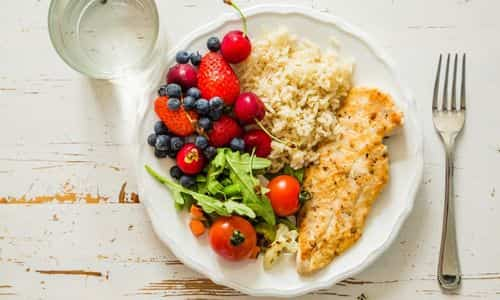
The best diet for menopause includes all food groups to provide your body with the nutrients you need. This food combination also helps decrease insulin resistance, decrease inflammation, and support your gut.
Best Foods to Enjoy in the Menopause Diet
Considering the above information, here are some of the best foods to have in the menopause diet:
Protein
Protein is essential to any weight loss plan, particularly during menopause. Protein helps you feel full longer and provides essential amino acids your body needs for good health. Additionally, protein helps to build muscle, which can help you reach your weight loss goals.
| Animal protein | Chicken, turkey, eggs, shrimp, white fish, tuna, fatty fish (salmon, sardines, herring, mackerel), and lean beef or pork |
| Dairy | Greek yogurt, cottage cheese, and cheese |
| Plant-based protein | Tofu, tempeh, edamame, lentils, and beans (navy, kidney, pinto, black), chickpeas, and green peas |
Fats
Healthy fats play a crucial role in weight loss. Adding a small amount of fat to your meals can make a meal more satisfying. They help absorb essential fat-soluble vitamins and support metabolic health. These fats help regulate blood sugar levels, reducing the likelihood of energy spikes and crashes that can trigger overeating.
| Nuts and seeds | Almonds, cashews, chia seeds, hazelnuts, hemp seeds, pecans, walnuts, flaxseed, pistachios, peanuts, pumpkin seeds, sesame seeds, and nut butters |
| Healthy fats | Extra virgin olive oil, avocado oil, avocados, olives, tahini, and fatty fish like salmon and sardines |
Carbohydrates
Despite their bad reputation, carbohydrates should still be included in a healthy diet. However, managing portion sizes and choosing healthier carbohydrate options is important.
| Best Grains | Barley, oats, farro, buckwheat, millet, quinoa, brown and wild rice, and white rice (occasionally) |
| Legumes | All types of beans, chickpeas, lentils, and green peas |
| Pasta | Pasta made from legumes, high-protein, and whole-wheat pasta |
| Starchy Vegetables | Sweet potatoes, potatoes with the skin, corn, pumpkin, and butternut squash |
| Other | Whole-grain or sourdough bread, corn tortillas, and whole-grain crackers |
When following a menopause diet, focus on carbohydrates that are high in fiber and low in added sugars. This is not meant to be a gluten-free diet. We try to keep it anti-inflammatory, but we are not excluding gluten.
Vegetables and Fruits
All vegetables and fruits fit into this diet. However, including the following will provide additional anti-inflammatory benefits.
| Cruciferous vegetables | Broccoli, Brussels sprouts, red and green cabbage, and cauliflower |
| Leafy green vegetables | Arugula, collard greens, dandelion greens, kale, mustard greens, spinach, and Swiss chard |
| Deep yellow or orange vegetables | Acorn squash, butternut squash, carrots, orange and yellow bell peppers, pumpkin, and sweet potatoes |
| Other vegetables | Mushrooms, tomatoes, garlic, onions, leeks, asparagus, jicama root |
| Fruit | Apples, apricots, bananas, blackberries, cherries, grapes, pineapple, strawberries, oranges, mandarins, grapefruit, peaches, plums, pomegranates, raspberries, and watermelon |
Herbs and Spices
Spices add a burst of flavor to meals, making even the most mundane dishes exciting. Some also bring a little something extra. Turmeric and ginger have anti-inflammatory properties, and cinnamon has been studied for blood sugar control, although the results are mixed. Either way, they make your food taste great, and the health benefits are an added bonus.
| Spices | Cinnamon, nutmeg, turmeric, ginger, garlic, cayenne, black pepper, cumin, clove, paprika, and coriander |
| Herbs | Basil, parsley, rosemary, thyme, mint, cilantro, dill, oregano, sage, and chives |
Foods to Limit
Every food can be part of a healthy diet. But there are foods you don’t want to have often, and when you do, you want to keep the portion small.
- Added sugar
- Sugary beverages
- Processed food
- Junk food
- Fried food
- Candy
- Alcohol (if you choose to drink, avoid sugary drinks)
- Coffee, if it seems to worsen your hot flashes or sleep
5-Day Meal Plan
Start with a tall glass of water in the morning every day. You don’t need to weigh your food. A palm-size portion of chicken or fish gets you close to your protein goal of 25 to 40 grams at lunch and dinner.
Day One
- Breakfast: Avocado toast on sourdough bread: mash avocado with white beans, top with eggs, and sprinkle with hemp seeds. Coffee or tea.
- Lunch: Mediterranean farro salad with your choice of protein, like grilled chicken, salmon, or canned tuna
- Dinner: Slow cooker turmeric lentil chili with a big scoop of plain Greek yogurt on top
- Snack (optional): Apple with almond butter
Day Two
- Breakfast: Turmeric oatmeal with a scoop of unflavored protein powder stirred in. Coffee or tea.
- Lunch: Leftover lentil chili with a big scoop of plain Greek yogurt on top
- Dinner: Leftover farro salad with your choice of protein
- Snack (optional): Plain Greek yogurt with berries
Day Three
- Breakfast: Eggs scrambled with cottage cheese, a pinch of turmeric, salt, and black pepper. Serve with a piece of fruit. Coffee or tea.
- Lunch: Black bean and quinoa salad with grilled chicken or canned tuna
- Dinner: Ultimate anti-inflammatory salad with salmon
- Snack (optional): Apple with almond butter
Day Four
- Breakfast: Avocado toast on sourdough bread, same as Day One. Coffee or tea.
- Lunch: Leftover black bean and quinoa salad with grilled chicken or canned tuna
- Dinner: Honey Turmeric-Black Pepper Shrimp with brown rice or quinoa and a green vegetable
- Snack (optional): Plain Greek yogurt with berries
Day Five
- Breakfast: Turmeric oatmeal with a scoop of unflavored protein powder stirred in. Coffee or tea.
- Lunch: Leftover shrimp over greens with beans
- Dinner: Ultimate anti-inflammatory salad with salmon
- Snack (optional): Apple with almond butter
Printable 5-Day Menopause Diet for Weight Loss
Want this plan on your fridge? Get the free 2-page printable. Page one is a cheat sheet of what to eat, and page two is the 5-day meal plan with links to the recipes.
Tips to Optimize Weight Loss and Minimize Symptoms
Take These 5 Steps to Lower Insulin Resistance
Insulin resistance makes it easier to gain weight around your middle and harder to lose it. These steps help your body handle carbs better.
- Have protein and fiber at every meal. They slow down how fast sugar enters your blood and keep you full longer.
- Keep carbs to about 1 cup per meal. Choose the ones with fiber, like beans, whole grains, and sweet potatoes, most of the time.
- Eat your vegetables and protein first, and carbs last. Eating carbs last can lower the rise in blood sugar after a meal. A few bites of vegetables first is a good start.
- Take a short walk after meals. Even 10 minutes helps. Light walking after sitting lowers blood sugar and insulin after meals.
- Skip sugary drinks. Soda, sweet tea, juice, and sweetened coffee drinks raise blood sugar fast. If you want a sweet treat, have a small portion after a meal.
For more, read Menopause and Insulin Resistance.
Choose Anti-inflammatory Foods Most of the Time
Inflammation and excess weight form a vicious cycle, making weight loss much more difficult.
When inflammation and excess weight are present in the body, the hormone leptin is altered. This hormone tells the brain when to eat and when to stop. It also signals when to speed up or slow metabolism.
Inflammation can also lead to insulin resistance, which often results in weight gain. But it gets worse when this weight gain further promotes insulin resistance and more weight gain.
Your risk of heart disease also goes up after menopause, so these choices look after your heart too:
- Choose healthy fats. Cook with extra virgin olive oil, and add avocado, nuts, and seeds. Eat fatty fish like salmon or sardines at least twice a week.
- Go easy on sodium. The general limit is 2,300 mg a day, and most of us go well above that, about 3,400 mg a day on average. Most of the salt we eat comes from packaged and restaurant food. Cook at home more often, season with herbs, spices, lemon, and vinegar, and rinse canned beans.
- Fill up on colorful plants. Vegetables, fruit, beans, whole grains, nuts, herbs, and spices like turmeric and ginger are the heart of an anti-inflammatory diet. Read more in The Link Between Menopause and Inflammation.
Add Foods Rich in Prebiotics and Probiotics
Early research suggests that an unhealthy gut is associated with increased fat, decreased metabolic rate, and insulin resistance. So, supporting your gut might help with weight loss.
Foods with prebiotics and probiotics are one simple way to support a healthy gut.
So you can see why adding probiotics and prebiotics to the menopause diet is a good idea.
Pillars of Weight Loss in Menopause
During menopause, there are so many hormonal changes that losing weight by dieting alone is hard!
For more successful weight loss, consider working on the other pillars of weight loss for women over 40: sleep, movement, building muscle, and decreasing stress.
Create a lifestyle that makes achieving and maintaining a healthy weight easier.
My Expert Opinion
Remember, this is about being consistent, not perfect. Take it one day at a time, and tweak as you need.
Nutrition is one of the most important things you can do for weight management and health, but it doesn’t live in a vacuum. You also need to focus on the other areas of health, including sleep, strength training, some form of cardio, and daily movement throughout the day. It’s about looking at you as a whole person, not just your nutrition.
Dr. Su-Nui Escobar, DCN, RDN, FAND, is a Miami-based weight loss dietitian specializing in women in menopause who use GLP-1 medications. She holds a doctorate in clinical nutrition from the University of North Florida and is a national speaker, writer, and author of The GLP-1 Kitchen. She is a former spokesperson for the Academy of Nutrition and Dietetics.